Using AI to Draft a Digital Product Without It Sounding Generic
AI can genuinely speed up the blank-page problem, but unedited AI output has a recognizable flatness that buyers — and increasingly, platforms — can spot. The difference between a useful draft and a forgettable product comes down to what happens after the AI stops typing.
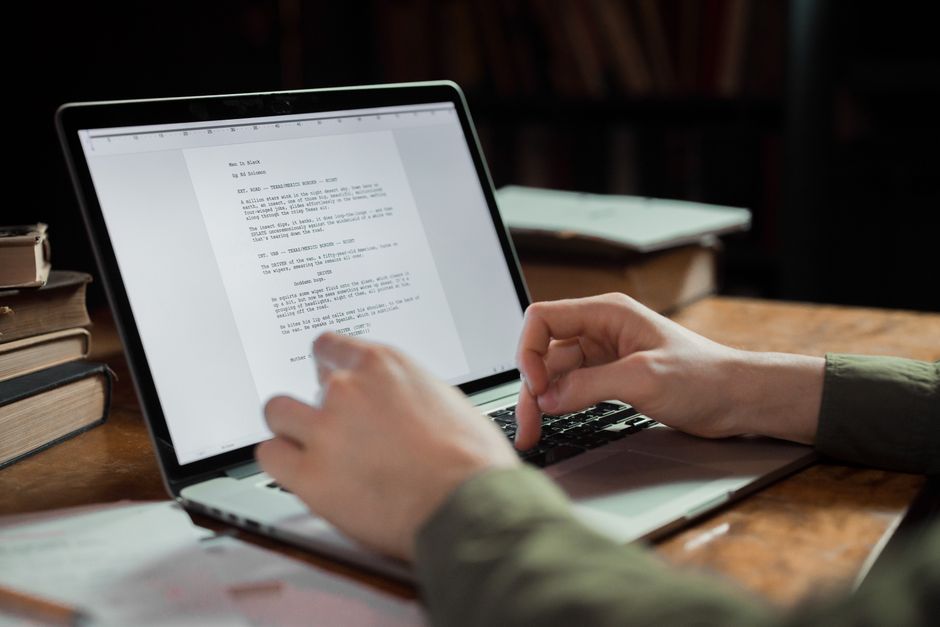
What AI is actually good for in this process
AI is strongest as a first-draft and structuring tool — turning a rough outline into full paragraphs, suggesting a table of contents, or drafting a table of common questions and answers. It's a way past the blank page, not a finished product generator.
Why unedited AI output reads as generic
AI models are trained to produce broadly applicable, statistically likely phrasing — which is exactly why unedited output tends to sound like it could apply to almost anyone. That's the opposite of what a well-positioned digital product needs: specificity to one audience and one real problem.
The editing discipline that actually fixes it
- Feed it your specifics before you ask. Give the AI your actual audience, a real example, or your own opinion on the topic rather than a bare topic name — the output improves dramatically with real input.
- Cut the hedging and filler. AI output often includes vague qualifiers and padded transitions. Read every sentence and ask whether it says something real.
- Replace generic examples with real ones. A made-up, generic example is the clearest tell of unedited AI content — swap it for something specific and true.
- Add what only you know. A detail, a mistake you learned from, a specific number or step the AI couldn't have guessed — this is what actually differentiates your product from anyone else's AI draft on the same topic.
Where AI is a weaker fit
Avoid leaning on AI for data or statistics — that's a known weak spot, since it can generate plausible-sounding numbers that aren't accurate. Source real data from credible references directly rather than asking AI to supply it.
The bottom line
AI is a legitimate way to move faster past the hardest part of creating a product — starting. The product that actually sells well is the one where AI did the first pass and a real person did the work of making it specific, accurate, and genuinely useful.
Frequently asked questions
Is it okay to use AI to create a digital product to sell?
Generally yes, as long as the output is genuinely edited and adds real value rather than being resold as-is. Some platforms require AI-use disclosure, so check current policies before listing.
How do I stop AI-drafted content from sounding generic?
Feed it specific details only you know — your actual audience, your own examples, your own opinions on the topic — and rewrite the parts that read as vague or interchangeable with any other product.
Can Etsy or other platforms detect AI-generated content?
Detection tools exist and policies are tightening on some platforms, but the more relevant risk is a listing that reads as generic to buyers, whether or not it gets algorithmically flagged. Editing for specificity solves both problems at once. See our platform comparison for more on Etsy's current stance.
Should I disclose that I used AI to help create my product?
Check the specific platform's current policy — some require disclosure for AI-assisted listings and some don't. When in doubt, err toward transparency rather than assuming it isn't required.
Where to go from here
Before drafting anything, make sure the idea itself is validated. And once you've drafted with AI, positioning it clearly is what makes the finished product actually stand out.
Get AI workflows built for editing, not just drafting.
The Digital Product Launch Kit includes AI-prompt workflows with guidance on editing so your output doesn't read as generic — $29, instant digital access.